
HSPR Talks: Changing the system by changing how we work: Lessons from NExT Youth Mental Health
Tuesday, November 24, 2026, 12:00pm – 1:00pm ET
This session tells the story of NExT, a peer-driven network in youth mental health research and shows how deliberately shifting how we work together – toward shared leadership, peer mentorship, and collaboration over competition – has become the mechanism for creating real change. Through concrete examples, we’ll explore how these relational strategies are broadly transferable to health systems seeking to build capacity and drive change from within.

Dr. Nicole D'Souza
Nicole D’souza (she/her) is an applied health systems researcher who is passionate about creating more responsive and equitable systems of support for young people. She is an Assistant Professor in the School of Epidemiology and Public Health at the University of Ottawa, where her research focuses on youth mental health and upstream approaches that foster social connection and wellbeing. Meaningful youth engagement is central to how she approaches this work. Nicole co-founded the NExT Youth Mental Health Network with Christine Mulligan in 2024 to cultivate a supportive community where emerging researchers can learn from one another and grow together. Across her work, Nicole is interested in how lived experience and community knowledge can reshape the ways health systems understand and respond to what young people need to thrive. Nicole is grateful to live and work on the unceded and unsurrendered territory of the Anishinaabe Algonquin Nation.

Christine Mulligan
Christine (she/her) spends her days thinking about how to support the brilliant people around her to make lasting impacts in the health system, work she believes starts with relationships. She’s an early career researcher dedicated to capacity- and community-building for emerging leaders in the health system, and co-founded the NExT Youth Mental Health network with friend and colleague Nicole D’souza in early 2024 to put that belief into practice. Outside of leading NExT, Christine serves as Director of the Health System Impact Training Platform and is a Founder/Consultant at Third Loop Health — roles all centered around creating the conditions to enable sustainable change within the health system. Christine is a grateful guest on the unceded, ancestral territories of the xʷməθkʷəy̓əm (Musqueam), Sḵwx̱wú7mesh (Squamish), and səlilwətaɬ (Tsleil-Waututh) Nations where she works, lives and plays and recognizes her privilege to collaborate with people and on projects across Turtle Island.
HSPR Talks – Article of the Year 2026
Task-Sharing and Telemedicine Delivery of Psychotherapy to Treat Perinatal Depression: A Pragmatic, Noninferiority Randomized Trial
Monday, November 30, 2026, from 12:00pm to 1:00pm ET

Dr. Daisy Singla
This webinar features the recipient of the IHSPR-CAHSPR 2026 Article of the Year Award. The award recognizes groundbreaking health services and policy research published in the prior year that has made a significant contribution to the field of HSPR. The recipient will present their award-winning work as part of the CAHSPR HSPR Talks webinar series.
Practical Tools and Lessons Learned for Engaging and Sustaining Equity-Deserving Communities in Research
Thursday, December 3, 2026, 2:00pm – 3:00pm ET
This webinar will explore practical strategies, tools, and real-world lessons for meaningfully engaging equity-deserving communities throughout the research process. Participants will gain actionable approaches to building trust, fostering authentic partnerships, and sustaining community engagement.
Speakers
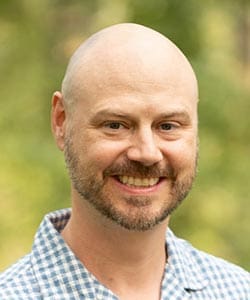
Dr. David Campbell
Dr. David Campbell (MD, PhD) is a specialist in Endocrinology & Metabolism and a health services researcher focused on social disparities and their impacts on clinical outcomes of cardiometabolic diseases, like diabetes. He is the co-director of the Pragmatic Trials Unit at the Calgary Centre for Clinical Research and the medical director of the Diabetes Mobile Clinic. He conducts research that uses mixed methods, interventional approaches, community and stakeholder engagement, and knowledge translation to contribute to reducing the impact of social disadvantage on clinical outcomes by informing health policy and clinical practice.
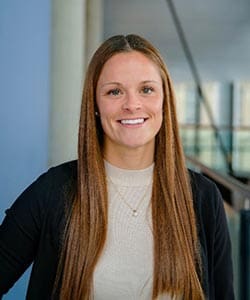
Dr. Lauren Cadel
Dr. Lauren Cadel is a postdoctoral fellow at the University of Alberta. She completed her PhD in Pharmaceutical Sciences at the Leslie Dan Faculty of Pharmacy, University of Toronto in 2026. For her doctoral research, she used participatory approaches to co-design, implement, and evaluate a medication self-management toolkit (MedManageSCI) for adults with spinal cord injury/dysfunction across Canada. This was done alongside a national working group comprised of people with lived experience of spinal cord injury, caregivers, and healthcare providers. Dr. Cadel is also a Research Associate at the OPTI-HEx lab, University of Toronto and at the Institute for Better Health, Trillium Health Partners. She has a passion for health services research and wants to continually explore ways to improve the delivery of health services and optimize experiences and outcomes.
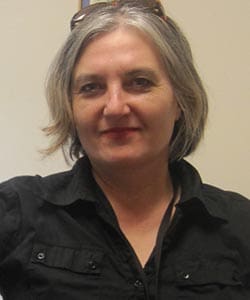
Sevtap Savas, PhD
Sevtap Savas, PhD (she/her) is a cancer scientist, professor, and advocate at Memorial University of Newfoundland. Her research focuses on social and medical outcomes and their predictors in people affected by cancer. Additionally, she undertakes extensive public engagement, outreach, and science communication activities via media/social media, podcast, and public events. She has several academic roles in local and national organizations and committees. Notably, she has been leading the Public Interest Group on Cancer, a public-scientist partnership in Newfoundland and Labrador, since 2021. She also co-chairs the Community of Practice – Patient Involvement in Cancer Research.

Marcia Bruce
Marcia Bruce is a Patient and Community Engagement Researcher (PaCER) and patient partner dedicated to generating and applying person-centred research evidence to inform and enhance healthcare planning, policy, and practice. She serves as a Senior Project Lead for the EQUIP Re-CKD project at the University of Calgary’s Cumming School of Medicine and actively contributes her lived experience to various patient and research advisory councils. Her work spans digestive health, kidney health, chronic pain, and women’s health and primarily uses qualitative, patient-oriented research methods informed by implementation science.
Moderator

Maggie Keresteci
Maggie Keresteci is the Executive Director at CAHSPR. She is an active participant in many provincial and pan-Canadian advisory panels where she provides strategic advice on achieving integration in the health system, including insights about the importance of patient, caregiver and family partnership in research, co-design of care and clinical interactions. Throughout her career Maggie has influenced the delivery of programs and models of care, conceived of and tested health services hypotheses that led to the development of evidence driven policies and leveraged innovation to improve care. She is a volunteer Board director with Emily’s House, Toronto’s only paediatric hospice and is a member of the core group for one of the newly announced Ontario Health Teams.
Past Webinars
HSPR Talks – Health Services & Policy Research Impact Award
An Evaluation on the Implementation of the National Overdose Response Service (NORS)
Monday, October 26, 2026, from 12:00pm to 1:00pm ET
Statistics Canada Continuum of Data Access
Tuesday, March 10, 2026, 12:00pm – 1:00pm ET
Heart Knowledge Reflections Among Scientists
presented by:
The Canadian Health Workforce Network
Health Workforce CAHSPR Theme Group
Wednesday, January 28, 2026, 12:00pm – 1:00pm ET
HSPR Talks: Transforming Academia: Strategies for Recognizing and Addressing Systemic Inequities
Thursday, June 19, 2025, 12:00PM – 1:00PM ET

HSPR Talks: Article of the Year 2025: Actioning the Learning Health System: An applied framework for integrating research into health systems
Monday, June 16, 2025, 12:00PM – 1:00PM
Advancing primary care for all: leveraging evidence to inform solutions
Wednesday, April 23, 2025 (12:00pm to 1:30pm ET)
Re-Examining Canada’s Universal Healthcare
Tuesday, November 12, 2024 (12:00pm to 1:00pm ET)
Statistics Canada’s Health Data and How to Make it Work for You
Wednesday, October 2, 2024 (12:00pm to 1:00pm ET)
Artificial Intelligence in Health Care and Health Professional Regulation
Wednesday, September 18, 2024 (12:00pm to 1:00pm EDT)
Article of the Year 2024
Tuesday, September 17, 2024 (12:00pm to 1:00pm EDT)
Webinar: Articles of the Year 2023
Monday, June 26, 2023 (12:30pm to 1:30pm EDT)
Advancing Equity and EDIA Through Health Services and Population Health Research
Monday, April 24, 2023 (12:00pm to 1:30pm EDT)
Commercial Virtual Healthcare Services in Canada: Digital Trails, De-identified Data and Privacy Implications
Tuesday, November 29, 2022 (12:00pm to 1:30pm EST)
Putting Evidence at the Centre of Everyday Life
Monday, November 28, 2022 (12:00pm to 1:00pm EST)
Comics for Science Translation: Policy, Research, Story
Thursday, November 10, 2022 (12:00pm to 1:00pm EST)
Research to Impact Insights from CIHR Health System Impact Fellows
October 26, 2022